Science Advance Global.
Science Advance. open online journal
© Illustration science advance
Biology
Is the Covid-19 virus an intenionally artificially created virus?
Melissa Blau, Univ. of Tübingen, Germany
Published: 2026-07-11
https://doi.org/10.59208/sa-2026-07-11-13
Abstract:
There is mounting evidence suggesting that the COVID-19 virus originated from a laboratory accident or is an intentionally engineered virus designed to trigger a pandemic. The "silent dying" of hedgehogs since the outbreak of the coronavirus pandemic could be a compelling indication of precisely this.
Cite this article
Melissa Blau. Is the CoVid-19 virus an indentionally, artificially produced virus? Science Advance (2026). https://doi.org/10.59208/sa-2026-07-11-13
Is the Covid-19 virus an intentionally artificially produced virus?
PD Dr. Melissa Blau, University of Tübingen, Germany
Introduction
Viruses are cultivated, manufactured, and modified in laboratories worldwide today, sometimes (unfortunately) also to produce bioweapons. Experts consider the coronavirus outbreak to be a laboratory accident in Wuhan (the virus's genetic makeup is a key factor in this), primarily because people prefer to believe in an accident rather than in an intentional design—namely, that coronavirus is a virus created by global destroyers. As mentioned in many studies, for example, by the German Federal Intelligence Service (BND), the so-called furin cleavage site is the tool in the viral genome that makes SARS-CoV-2 so infectious. Since researchers have previously inserted precisely such spots into other viruses (gain-of-function research), proponents of the laboratory theory suspect this is the result of a GoF "experiment." However, this was probably not an experiment, but rather the intention to create a virus capable of triggering a pandemic. People's gullibility ("no one would do such a thing") is one of the main disguises of evil global actors.
Evidence of an artificially produced virus
In 2002, the SARS disease, caused by coronaviruses, first broke out in China in 2019. Researchers tasked with developing a vaccine at the time raised safety concerns: During the development of vaccines against coronaviruses (both inactivated vaccines and other types, e.g., DNA, plasmids, etc.), an "infection-enhancing effect" (ADE) was sometimes observed in animal studies. This necessitated lengthy investigations, for which public and financial interest was lacking after the disease disappeared. Such infection-enhancing effects were apparently not present (in animal studies) in the newly developed mRNA vaccine of 2020, although it must be noted that only a few days passed between vaccination and infection in the animal trials. Furthermore, many animals died in animal trials with the newly developed vaccine. The immune response after mRNA vaccination is incomplete and short-lived (a few days), and severe cases were only contained when Omicron became the predominant variant. The Hong Kong publication compared severe cases of Omicron in people over 60 with the overall European case numbers and concluded that the vaccine campaigns in Europe were able to induce immunity. However, it must be countered that severe cases in Europe among those over 60 showed similarly high numbers, meaning that the claim that the vaccine could prevent severe cases cannot be proven. Omicron exhibits 30 mutations compared to the Delta virus, which argues against a random mutation and supports the hypothesis of an artificially created virus. However, people prefer to believe the hypothesis of a mutation in a single individual (host) who carried the infection for a very long time and from whom everyone else supposedly became infected, rather than a new or changed virus produced in a laboratory. Omicron was far more contagious than the Delta virus, thus infecting far more people and discrediting the vaccine's effectiveness, since severe cases had decreased by that time. When the "testing" requirement and protective measures were lifted due to low intensive care numbers, the pandemic ended, curiously and paradoxically.
The inventors of the RNA vaccine were awarded the German National Prize in 2025. The responsable actors would have the population believe that the vaccine brings salvation, and that this is their only hope, while they could say: far from it. The virus and the vaccine namely are capable to produce droplets (lipids) when cells in the human body, including blood cells, take up the RNA, thereby they produce a viscous substance through replication and protein synthesis at ribosomal receptors, and burst. The released droplets then lead to pulmonary microembolisms and arteriolar embolisms, similar to fat embolisms. The virus, as well as the vaccine RNA, which is encapsulated in lipid nanoparticles (LNPs), can also penetrate blood cells. LNPs are supposed to protect the RNA and help it enter the human cells. And what do "infected" blood cells produce? It's hard to believe, but probably true: nothing other than a naturally occurring glycerol derivative. Glycerol derivative-producing or hydrophobic substance-producing enzymes (hereinafter abbreviated as HSPE) are generated by an inverse (complementary) RNA base pair sequence produced by hybridization. This sequence is the counterpart of the sequence encoding the viral spike protein. Subsequent replication of the RNA counterpart leads to the formation of enzymes such as diacylglycerol (DAG)-producing enzymes (phospholipase gamma-1) at ribosomal sites. This is supported by the precise number of nucleotides in the COVID spike protein (3822 nucleotides), which is unlikely to be a coincidence. Within cells, DAG is converted into TAG (triacylglycerol), which can form lipid droplets. This also reveals that the spike protein is an artificially produced protein, because it is extremely unlikely that the inverse base sequence of a naturally occurring spike protein would produce an enzyme at ribosomes that generates a naturally occurring substance such as a glycerol derivative like DAG, which can clog arterioles. Radiological findings from COVID chest X-rays closely resemble a pronounced fat embolism, and fat droplets in the blood can indeed be caused by DAG, which can be converted into TAG within cells/blood cells.
To prove this, each nucleotide of the spike protein would have to be replaced (by its complementary nucleotide) in a simple computer simulation, and this simulation would have to compare the resulting RNA sequence with the RNA produced by an enzyme in cells. This would require comparing up to 1000 sequences, but primarily the sequence encoding phospholipase-gamma1, for complementarity (in percent) with the spike protein RNA. The online tool BLAST, which can be used by laypersons or interested individuals without specialized knowledge, can be used to compare the individual RNA sequences for complementarity with phospholipase-gamma1. However, a negative result when using the spike protein code may be changed or blocked by the creators via software access (which such groups often use). This means that a lack of evidence of complementarity is not a clear exclusion for the hypothesis of an artificially created corona virus. This procedure, although not yet implemented, should always be carried out before the approval of an RNA vaccine, as complementary or similar RNA in cells can have devastating effects and should be established as a standard procedure. But what else could indicate an artificially created virus? Paradoxically, this has been the silent demise of garden hedgehogs for about 30 years (hedgehogs and other worm-eating animals). The fact that worm-eating species—and indeed all animal species that rely on worms as a food source—experienced increased rates of extinction starting in 2018 suggests that this die-off stems from toxic substances contained in the worms. However, studies investigating oral administration from 2020 onwards used worm extracts at non-toxic concentrations (in the microgram or milligram range), so that toxicity could not have been demonstrated upon oral administration. However, upon intravenous administration, the worm extract was toxic or lethal. Since their main food sources, such as insects, have recently almost disappeared, hedgehogs have begun eating worms. Worms can recognize viruses and bacteria due to an enzyme when their outer skin comes into contact with these viruses. They are known to distinguish between familiar viruses and especially those with complemntar sequences. If the worm (or its parents) has already fought off this virus, a newly discovered mechanism comes into play: acquired immunity through epigenetic inheritance. The virus leaves behind small chemical switches (RNA fragments) in the worm the first time it is encountered. If the same virus returns, the sensor (proteins like DRH-1 ) immediately recognizes the enemy again. The worm wastes no time. It blocks the virus's replication extremely efficiently, even before it can cause any noticeable damage to the tissue. However, if the worm encounters a virus it has never seen before in its evolutionary history, it lacks these rapid activation signals. The complemntary virus can initially establish itself and multiply undisturbed in the intestinal cells. The worm only realizes very late that something is wrong – namely through cellular dysfunction (the cell no longer functions properly or dies). This triggers a kind of "major emergency alarm." The worm then releases massive amounts of nonspecific toxins, antimicrobial peptides, and pore-forming proteins (hemolysines, 60-65 kDa). It doesn't fight the virus elegantly, but instead tries to radically kill or encapsulate the infected cells in order to save its own body. This is likely why native worms have become toxic to hedgehogs in the last 6-7 years (which coincides with the start of the Corona pandemic), during which the hedgehog population has declined dramatically. The explanation offered by specialists that the cause of this increased mortality is a lung parasite ingested by hedgehogs through the consumption of the worms is rather misleading. Hedgehogs and lungworms have lived in an evolutionary coexistence for millennia. A biologically stable, well-nourished hedgehog possesses a strong immune system. It can live completely symptom-free with a moderate number of lungworms in its body and reach a ripe old age. The parasites only kill the animal when the immune system has already completely collapsed due to other factors, or the hedgehogs die from the worms' toxins themselves. Since the beginning of the hedgehog deaths coincides with the outbreak of the coronavirus pandemic, and the BSE virus appeared exactly 30 years ago (which is therefore presumably also an artificially created virus), there is strong evidence for the hypothesis that the coronavirus is an artificially created virus that enters the soil via wastewater and the water cycle, and which, contrary to claims, has not existed in nature for billions of years. This could be proved by hemolysis producing toxins in wormextracts other then the hookworm).
If there is even a slight similarity to a human enzyme that can produce hydrophobic substances in cells, it is possible that the COVID vaccine RNA could be rewritten, "repaired," or produced by switching to an intact RNA sequence that codes for the enzyme. In a cell, a functional enzyme-coding RNA can arise from an incomplete or merely similar RNA sequence by fusing the sequence with an intact template via RNA recombination (template switching), chemically correcting it with RNA-editing enzymes (such as ADAR), or repairing and rereading it via reverse transcription into DNA. This means that even a similarity in the opposing RNA sequence can trigger the replication of a hydrophobic substance-producing enzyme. Therefore, the proposed computer simulation must pay close attention to the degree of similarity to human enzymes (expressed as a percentage). Human enzymes are the product of billions of years of evolution. Viral envelope proteins and human enzymes have completely different evolutionary origins. Even if the opposite strand of a viral gene is expressed (which occurs in nature in some viruses as a regulatory mechanism), this results in regulatory RNA or another viral protein, but the probability of producing an enzyme similar to a complex, highly specific human enzyme would be virtually zero.
Only the antibodies produced in the mucous membranes and muscles after the COVID-19 vaccination offered some protection against the virus. However, these antibodies disappear after a few days or weeks, while antibodies in the blood are not produced in significant quantities due to the lack of spike protein production. Consequently, the negative aspect of arteriolar embolism resulting from the vaccination is much more pronounced throughout the body (except the liver). This also explains why infection rates between unvaccinated and vaccinated individuals became completely similar after several months.
Instead of the phospholipase gamma-1 enzyme, any other enzyme in human cells that produces hydrophobic substances could also be replicated by the COVID-19 vaccine and the coronavirus. It is estimated that several hundred to over 1,000 specific human enzymes are directly involved in metabolic pathways that create hydrophobic (water-repellent/lipophilic) substances.
The hypothesis is that the coronavirus RNA and the vaccine RNA, which does indeed enter the bloodstream after injection, penetrate the cell nucleus and bind to DNA sequences that encode HSPE enzymes, thereby forming a hybrid. Some viruses (like the coronavirus) possess the enzyme RdRp, which uses RNA directly as a template to produce complementary RNA. If the RNA in the hybrid is accessible to this enzyme, RdRp uses the blocking RNA directly as a template. The enzyme moves along the RNA and builds the exact complementary strand (the opposite sequence) letter by letter.
The vaccine RNA binds to the DNA sequence encoding HSPE in the cell nucleus (hybridization). But how does the vaccine RNA get into the nucleus? Some laboratory studies have investigated an interesting mechanism in the genuine SARS-CoV-2 virus: The real viral spike protein possesses an evolutionarily novel amino acid sequence that functions as a nuclear localization signal (NLS). This signal acts like a digital "ID card," allowing the finished protein to legally pass through the nuclear pores. In laboratory studies, it was observed that the spike protein can bind to the viral spike mRNA in the cell plasma. When the protein then migrates into the nucleus thanks to its NLS ID card, it simply carries the bound mRNA along with it. In mRNA vaccines, the sequence for the spike protein is artificially modified (it has two proline mutations to maintain a stable form). Whether this change or modification of the vaccine mRNA prevents or limits this "piggyback transport" is a subject of ongoing research; however, this effect has been demonstrated in genuine wild-type viruses. Furthermore, the nuclear membrane possesses thousands of highly selective tunnels called nuclear pores. These normally allow nothing to pass through that lacks a matching chemical "key" (such as an NLS signal). Under extreme cellular stress, with progressive cellular aging (senescence), or under the influence of certain toxins, these nuclear pores can become "leaky" or deteriorate. If the nuclear pore loses its filtering function, theoretically even larger molecules, such as foreign mRNA, can passively slip into the nucleus simply through concentration equalization.
The resulting hybrid is converted into a complementary RNA from the attached spike protein RNA by the enzyme RdRp. RNA polymerase II switches its function from normal DNA transcription to RNA-dependent activity (RdRp) primarily when the cell is under extreme stress. Strong UV radiation, cytotoxins, or viral infections can block normal protein synthesis. Under these stressful conditions, certain regulatory RNAs (such as B2 RNA in mammals) remain in the cell nucleus. The blocked RNA polymerase II then uses these RNAs as templates and extends their ends via its RdRp activity, initiating the targeted degradation of these stress RNAs. The replication of the resulting opposing RNA is triggered thousands of times by replicases of the coronavirus and the vaccine RNA, leading to the formation of a lipid conglomerate in blood cells. This is because both the viral RNA and the vaccine RNA can penetrate the membranes of blood cells (leukocytes, monocytes, lymphocytes, erythroblasts) and other body cells. These blood cells then rupture, releasing these lipid droplets, which can clog arterioles and capillaries or enter the surrounding tissue. The reason why very little viral RNA or vaccine RNA is found intracellularly in blood cells may also be due to the fact that infected cells usually rupture very quickly and are no longer detectable in the serum being tested.
How could one prove that fat embolism is a general cause of the effects of COVID-19 in the human body? This would have required demonstrating elevated D-dimer levels in the serum of COVID-19-infected patients, as well as the presence of fat embolism post-mortem. Since dimers and microfat emboli were indeed detected in laboratory tests and post-mortem examinations of COVID-19 patients with severe cases, but there was no evidence at the time of a fat embolism-inducing effect of the virus or the vaccine RNA itself, the hypothesis was put forward that obesity could cause severe cases by allowing the virus to attack adipose tissue and release fat into the bloodstream. Although severe obesity is thus considered one of the greatest risk factors for severe COVID-19 cases, pathological studies show that the development of a non-invasive fat embolism is not necessarily linked to obesity. In the large autopsy study, which detected fat embolism without prior trauma in 68.8% of cases, pathologists explicitly stated that the severity and occurrence of the fat embolism did not directly correlate with the deceased's body weight or BMI. This means that even normal-weight COVID-19 patients were affected by these microscopic fat occlusions in the lungs. Specialists explain the development of these embolisms in non-obese individuals as follows: Everyone possesses visceral fat (around the organs) and subcutaneous fat (under the skin). The virus utilizes the ACE2 receptors located there and destroys the fat cells through local inflammation. Normal fat reserves are entirely sufficient for this. In COVID-19 patients, the fat embolism arises not only from "released" body fat, but primarily from the chemical alteration of the lipids (cholesterol, triglycerides) already circulating in the blood. The cytokine storm triggered by the virus, according to experts, causes these normal blood lipids to clump together, completely independent of how much body fat a person has. In early hypotheses and case reports (such as the aforementioned study published in Nature in 2020), researchers initially focused heavily on severely obese patients. Obese individuals generally have an increased risk of severe illness because their adipose tissue constantly releases pro-inflammatory messenger substances. This makes their system more susceptible to the cell-damaging effects of the virus—however, the autopsies ultimately showed that the phenomenon of fat embolism can be a general characteristic of severe COVID-19 cases. However, the clumping of lipids circulating in the blood or "released" body fat in the blood by cytokines during viral infections that bind to ACE1 receptors is not a known or relevant process that occurs in the body, and viral inflammation almost never leads to fat embolism, which supports the hypothesis that fat production is primarily caused by coronaviruses and vaccine RNA itself.
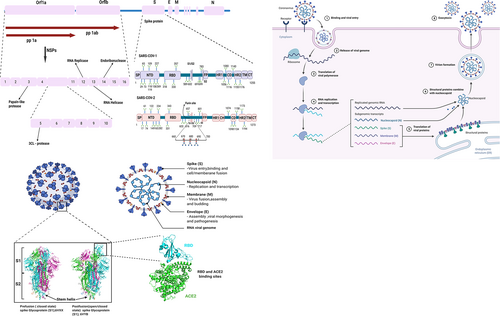
The fact that the coronavirus genome possesses 3-nucleotide pairs that produce lysine and tyrosine, which must be in very specific positions in order to dock onto ACE receptors, and that it does not encode stop codons (although stop codons are often tricked by special cellular processes), does not preclude the possibility of an artificially produced spike protein that is very similar to the opposing RNA for encoding HSPE. It is possible that these groups of three could have been subsequently inserted into the "reversed" RNA sequence, because the "reversal" of the altered RNA also creates an RNA sequence similar to the lipid-coding RNA. This sequence could then be "repaired" by the mechanisms described above and transformed into an intact RNA sequence, since only four sites would be "faulty"—namely, the swapped (complementary) sites 417, 449, 489, and 505 in the coronavirus genome. Later virus variants, such as Omicron, were even better able to bind to mucosal cells, but did not lead to as many severe cases. This was because the probability of the altered RNA sequences, which offered increased binding but exhibited a greater deviation from enzyme-coding RNA chains, being able to produce lipid-producing enzymes, decreased significantly.
The ability to dock onto ACE1 receptors was presumably intended to fulfill three functions: firstly, to enable more serious changes such as endothelitis and increased uptake into human cells; secondly, by being taken up into the body's fat cells, to mask the true mode of action of the coronavirus and vaccine RNA, namely the generation of fat embolisms by the RNA itself; and thirdly (falsely) to prove that the virus's spike protein does not have a random structure and cannot be a randomly produced artificial protein, but is a highly functional protein that arose naturally through centuries of mutation of the viral genome.
The definitive proof of a laboratory-created virus that causes such severe changes in the body—changes that can also be induced by vaccination, albeit systemically—can only be provided by analyzing the similarity of the code of the counterpart RNA to all RNA sequences encoding lipid-producing enzymes. Post-mortem autopsies have primarily detected triglycerides in the lung tissue of individuals who died from COVID-19. However, an accumulation of free diacylglycerol (DAG) is highly toxic to cells (lipotoxicity) and disrupts cellular signaling pathways (e.g., via the activation of protein kinase C). Cells react to increasing DAG levels by attempting to convert it as quickly as possible into the non-toxic storage form—triglycerides. Therefore, the blueprint for the spike protein of the coronavirus is a structurally similar counterpart to an RNA that produces phospholipase-gamma 1, or to an enzyme that can produce this enzyme or other triglyceride-producing enzymes. The fact that viral replication ceases when FASN is switched off does not mean that triglycerides are not produced directly by the spike protein RNA, except for ATP production and energy generation – which is necessary for replication (through the reversal of the spike protein RNA and subsequent formation of lipid droplets).
While viral replication plays a crucial role in the development of pulmonary ARDS, it is questionable whether the FASN mechanism could produce such large quantities of triglycerides, whereas unimpeded intracellular replication, particularly of the spike proteins, is capable of producing significantly more triglycerides and these lipid droplets. How much ATP is produced in lung cells, and does this concentration correlate with the enormous amounts of triglycerides? The shape of the droplets suggests that they only attain their size due to the spatial confinement of the cells, after which the cells rupture and the droplets are released. In cases of vaccine-related deaths, lipid staining to detect microfat embolisms, for example in the heart, was practically never performed, even though the patient likely died of acute heart failure (myocarditis). Instead, some pathologists found spike proteins in the tissue and an increased number of lymphocytes, typical of inflammatory reactions, in 7.1% of cases. Lipid production in myocytes, which have been penetrated by the vaccine RNA, would cause them to rupture and release the fat into the tissue. This would trigger an inflammatory reaction that attracts lymphocytes and, particularly in larger inflamed areas, can partially transform into connective tissue through the migration of collagen fibers. On the other hand, the virologists' explanation for why myocarditis occurred in some cases after vaccination is rather misleading.
The mRNA vaccine against COVID-19 had to be refrigerated below -80°C, which is not mandatory for other mRNA vaccines. This necessitated centralized storage of the vaccine, which at least made it possible for dangerous additives to be introduced into the vaccine vials. The Paul Ehrlich Institute only tested the batches before delivery by the pharmaceutical companies. Later, it was announced that refrigeration at more ordinary temperatures was also possible. The only beneficiaries of the vaccinations were the pharmaceutical companies, for whom legal action from those affected was contractually excluded in advance, and who sold millions of batches in the EU all at once. Chronic fatigue syndrome (CFS) and myocarditis occurred significantly more frequently after vaccination; severe cases of CFS following COVID-19 vaccination even led to the death of some patients. If the additives contained, for example, carrier proteins and stem cells that could replicate the gene as a mature leucocyte, maturing approximately 50% faster, then in the last 3 days, 1/4, 1/2, and 100% altered leucocyte would form, producing trillions of mRNA copies that would be transported by carrier proteins into all cells, where they would produce glycerol uncontrollably until all cells in the human body burst.
The decentralized storage of the vaccine in Africa and South America was offset by vaccination campaigns against other diseases. The global vaccination rate in 2025 was 100%, meaning every person on Earth was vaccinated at least once in the new millennium. Was it therefore necessary to kmotiveep the vaccine serum so cold that only centralized storage was feasible, in order to add further substances like carrier proteins and stem cells to the vials, substances that had already been tested and approved by the Paul Ehrlich Institute (PEI)?
The actors' motives could be highly diverse. They presumably belong to a network responsible for many (or even most) global crimes, such as war crimes (Ukraine), the persecution and killing of people, perversion of the course of justice, human and child trafficking, and torture. It resembles a gradual modulation of the world's population. One would immediately think of Americans with their population-decimation intentions. However, the death toll from COVID-19 was only in the per mille range. Therefore, the responsable actorswere likely more concerned with keeping the population away from social life and isolating them, destroying businesses, burdening public finances, altering the human genome, and simultaneously earning billions of euros from vaccinations. The mask-wearing people conveyed a terrifying scenario, the kind only imaginable in thrillers, and one that would particularly satisfy evil spirits who presumably prefer to stage cinematic events. The vaccinations and infection are supposed to cause chronic symptoms (post-Covid), and some sources suspect that (in the extreme case) all people on this earth could be eliminated at a later date by the additives in the Covid vaccinations (for example, by creating the maximum of a CFS syndrome, where all cells and especially myocytes would burst).
Experts consider the hypothesis of a targeted "bioweapon" infection unrealistic, as the virus is "not efficient enough" for this purpose and the resposable actors have lost control over its global spread (including the infection of their own population). One could counter that the responsable actors weren't necessarily aiming for human death; in fact, chronic suffering is even more appealing to them, and their own population was meant to suffer as well. For the responsable actors, the primary objective was solely the staging of a global, insidious catastrophe, their own well-being and the suffering of others.
ens of thousands of animals and samples, no direct precursor has yet been found in nature or at the Wuhan market. The absence of this "missing link" (intermediate host) serves as evidence for theorists that this natural pathway never existed, but rather that the virus came directly from a petri dish. An artificial origin has been ruled out by experts. Their arguments are based on three main facts: 1) To construct a virus in the laboratory, its genome is often synthesized in individual building blocks and assembled like a puzzle. This is done using molecular scissors (restriction enzymes). These enzymes leave specific, repeating recognition sequences at the binding sites in the genome. Researchers discovered that the distribution of certain restriction sites (such as BsaI and BsmBI ) in SARS-CoV-2 resembles the structure of known laboratory constructs. Subsequent investigations revealed that these interfaces also occur in the wild type of coronavirus. However, this does not contradict the hypothesis of an artificially created virus, as the wild type was likely already created in a laboratory and could have been used to infect bats and wild animals at the Wuhan market. In the Wuhan laboratory's application for GoF research in the US, virologists described how they intended to treat wild animals and bats with a "vaccine" they planned to produce, administered via spray. The creators likely used such a spray, but it was not intended to protect against the coronavirus; rather, it was designed to infect these animals with the virus to create a false impression. 2) An artificial virus would match the gene sequence of a known virus in 99% of cases. However, since there are more than 1100 differences in the gene sequence compared to an original type isolated from bat droppings in a mine in 2013, it is assumed that these modifications would have been far too complex to produce in a laboratory. This "original type", however, was likely also created in a laboratory as early as 2002, when the SARS Pandemie arose, in which numerous and arbitrary locations were later artificially altered and was probably administered to bats starting in 2002 to demonstrate the natural origin of the virus, 3) No directly related coronavirus species possesses a furin cleavage site, which is explained by the fact that viruses can also lose this cleavage site, but this is purely hypothetical. Therefore, the artificial origin cannot be ruled out by this, but rather proven.
The following sequence of events can be reconstructed chronologically: An mRNA vaccine is developed in Germany. A Chinese woman from Wuhan is hired at the Shanghai branch of an international company (also based in Starnberg). The approval of medications is "delayed" by many weeks. The virology institute in Wuhan submits an application in the USA for GoF research on coronaviruses, which is rejected. A high-security laboratory in Wuhan is retroactively opened to legalize the virus experiments. The Delta virus is subsequently created. In Wuhan, at the end of 2019, Chinese nationals probably did infect the feed for live wild animals at a market to cover up the laboratory accident at the Wuhan Virology Institute involving unauthorized research. Three French citizens who were sent to Wuhan are subsequently infected. In Starnberg, patient one and his Chinese colleague, who had previously been sent to Wuhan to visit her parents and who had traveled to Germany for a seminar, become infected. Further patients are tested using test swabs at the Starnberg clinic (and later in all test stations) and were thereby infected with the virus, due to the fact that, in some cases, viral material was allegedly improperly introduced into the test swabs (most probably for production of PCR equipment calibration, whereas probably instead of inactivated virus an active form was used) during their production in Italy, the USA, and China—a scenario that was at least logistically not impossible, given that—at least initially—there were only two companies producing these swabs for worldwide use.
When the WHO declared the pandemic and Europe and the USA went into lockdown, the market collapsed due to simultaneous, global panic buying and massive orders of calibration test swabs within a few weeks. In March 2020 governments worldwide realized that test swabs were the most critical bottleneck for widespread PCR testing. The problem: Since Copan was based in Lombardy, Italy—the European epicenter of the pandemic at the time—the factory was operating non-stop. In March and April 2020, the US government even flew military aircraft (C-17 freighters) to Italy to airlift millions of Copan test swabs directly to the USA. Late 2020 to 2022 (Billion-dollar contracts). During this period, orders were no longer placed on a week-by-week basis but through long-term framework agreements covering months or years in advance. For instance, in 2020, the US government invested hundreds of millions of dollars to establish Copan factories in the USA in order to secure the national supply chain. An estimated several billion test swabs were ordered and used worldwide during this time. Since 2023, global order volumes have returned to normal, budgeted levels for routine hospital and laboratory needs (influenza, RSV, routine PCR). As a result, such calibration rods had to be ordered only twice—namely at the beginning of the pandemic and once more in 2021—for periods lasting months or years. In the mean time calibration test sticks during the pandemic likely end up (intentionally or else for skilled workers, as an operating error) in the stock of patient test sticks.
Omicron was produced 2021 to infect as many people as possible due to its high contagiousness and to prove the effectiveness of vaccinations.
Conclusions
In summary, the described facts and cellular processes suggest that the coronavirus is an artificially created virus produced in a laboratory, which, like the vaccine, has devastating effects on the body, and that the refrigeration requirements for the vaccine might indicate further improper practices, such as the introduction of additives into the vaccine vials. Its identification as a virus with "complementary" regions points (whereas worms also conatin the encyme phospholipase-gamma1) - through the dying of hedgehogs and all other animals, which eat worms, wheras the other animals did not experience this dramatical dying - more strongly to intentional creation than to a laboratory accident. Only studies exist that have examined the complementarity of the spike protein RNA to non-coding sequences of the human genome. However, a study investigating its complementarity to protein-coding sequences would be necessary for definitive clarification, if possible.
Evidence that the coronavirus is a laboratory-engineered virus—capable of entering the nuclei of cells in the nasopharynx and lungs after infection and—via cellular mechanisms and replication—generating a complementary RNA sequence (and thus an enzyme) that accumulates and causes cell rupture, is provided by the abruptly increased toxicity of indigenous worms since the pandemic began; these worms produce toxins upon contact with viruses containing sequences complementary to enzymes—enzymes capable of forming triglycerides—that are found in both humans and the worms. The underlying intent is evidenced by the pandemic's outbreak, as an artificially created complementary spike protein is never produced without reason—even if its spread resulted from a laboratory accident, which might serve to further mask that intent. Definitive proof of the virus's intentional, artificial origin lies in the demonstrated complementarity between the spike protein and human enzymes; the fact that human cells actually generate such complementary sequences from the spike protein or vaccine RNA; and autopsy findings revealed indeed fat embolisms (even though alternative causes were cited to potentially disguise the virus's true mechanism of action). The chain of evidence—comprising the spike protein's complementarity to a key cellular enzyme proved by the abruptely occuring toxicity of worms (even if the oral feading of worm extract in low concentrations of microgramm up to several milligrams did not prove this in contrast to the intravenous application), the cell's production of massive amounts of triglycerides in response to this complementarity, the significant fat deposits actually found in the tissues of deceased COVID-19 patients, and the likelihood that other explanations are merely distractions or are other possible not-significant mechanisms as well as the fact that a pandemic, which widespread worldwide, the probability of which is - in view of the extensive protective measures, particularly in air travel - very low, indeed arised from the dispersion of this virus—points to a virus that was intentionally and artificially created. In the other case, the probability of complemtarity would be nearly zero (1 : thousend billions).
Did China create the virus and infected animals to conceal an unauthorizied GoF research on corona viruses in order to demonstrate the natural origin of the virus, and did they had knowledge about or created the existing complenteraty, or were the true resposabble parties, whose intention was to create a worldwide pandemic upon a "brilliant" virus genom concept, perhaps somebody else? And were these persons the same who have actively influenced the spread of the virushave by staging the laboratory accident in Wuhan and who also tampered with the machine operations used to package the test swabs in sterile wrapping, thereby putting virus-coated test swabs into circulation for patient use? According to studies before 2019, the spread of the pandemic under maximum protective measures should have been considerably milder. These persons could be identified on accounts at foreign banks or in money laundering activities, whereas the money originates from the swabs producing companies or pharma companies, who producesed the vaccine. These two companies producing swabs might have wanted to bypass the elaborate transport to the USA for coating inactive viruses and put the virus directly on the test sticks, assuming that the virus would become inactive on its own in a few days as the viral envelopes break down over time. The fact that these persons have staged the laboratory accident in Wuhan can be derived from the fact, that a laboratory accident happens randomly and not at a given time (and they couldn't have wait for such an accidental event) and from the fact that the complementarity concept of the virus and the refrigeration requirements reveal a real intention to create a pandemic. Or else an accident never happened.
The virologists (who ever) would have only needed to take any known virus, produce the spike protein according to the transmitted RNA code using reverse transkriptase techniques (which come from the USA, first reported in 2000) or else, create the spike protein RNA as the counterpart of phospholipase-gamma1 coding RNA by in-vitro-transkriptase, insert it via plasmides in the virus genom, additionally insert a furin-cleveage site (also producable through infection of rats in labs, that have been treated with pesticides to increase the mutation rate) and induce a forced mutation in the lab in a mouth and throat cell culture, to which low concentrations of human interferon were applied, among other things for optimal docking (via the ACE receptor) to create a completely new virus, the coronavirus, as well as aply the virus to animals in markets in China to spread the virus and significantely change the RNA genom via chimeres and PCR-tecniques of the virus and apply to bats to demonstrate the natural origin of the in the lab created virus. The fact that religious people (Catholics, Greek-Orthodox, Jews, Muslims, HIndus, that means all main religions) were significantly more likely to have a severe course, while atheists suffered the lowest rate of severe infections worldwide, also underscores the intention of a (religiously motivated) bioattack.
The complementarity of the virus RNA and the toxicity of worms can be proven by a 2x2-field test. Whereas all animals who eat worms experienced a dramatic dying in the last 6-7 years and all animals, who does not eat worms did not show any dying, the significance level for the the intended and artificial origin of the covid virus is highly significant (p<0.0000011). Since the garden hedgehog lives in gardens and this species was tremendeously involved in the dying phänomenon and in a garden pesticides are not applied (as well as other two animals outside of pesticide application, who eat worms), as well as the fact that hedgehogs normally doesn't eat snails containing toxic worms, the null hypothesis that there is a differencec between animals consuming worms inside and outside of pesticides or arsen contamined soils can be declined, providing strong evidence that the hypothesis of the complementarity concept of the corona virus covid-19 is very probable and shows that this virus was created with the intention to create a worlwide bioattack disguised as pandemic. Whereas the own people were also concerned, the masterminds were most likely only one (or several) radical groups around several main actors. The intent—which, in and of itself, defines a biological weapon—can be identified, in particular, by the design of the viral genome as well as by the fact that unusually high virus concentrations were detected on the cages of wild animals at the market in Wuhan, which could hardly originate from infected persons who worked at the virology lab in Wuhan. Ultimately, this intention is evident above all from the fact that religious people had a highly significant higher risk of becoming infected or dying compared to non-religious people (p < 0.001)), which could be demonstrated by the results of a statistical study of the britisch institute ONS. This cannot, as has been suggested, be attributed to sociological factors, since gatherings, religious services, and other sources of infection were prohibited by the government as protective measures. From 2. March to 20. May 2020, the period in which the study of ONS was conducted, during the first coronavirus lockdown, people in England were generally not permitted to attend communal worship services in churches and mosques. Even when age AND the entire household structure (including the number of household members without children) were fully statistically adjusted for, the COVID-19 risk for most religious people in England remained higher than for non-religious people. Data from the UK’s Office for National Statistics (ONS) show that the higher risk of COVID-19 death among many religious groups in England drops sharply when factors such as age, place of residence, poverty, occupation, and pre-existing conditions are accounted for, though a residual risk, however, remains. Even after complete adjustment, the residual risk remained statistically significantly elevated for religious groups. Aside from age and pre-existing conditions—all of which are risk factors common to all viruses—this was the only risk factor, a fact which points to a religiously motivated bioterrorist attack and proves intent (against the church, the "house of god") . As perpetrators, one might think of antichrists, anti-theists and anti-religious, spyers, radical terrorists, propagator of the NWO (new world order) and world destoryers . What all these groups have in common is money laundering beside other things.
An European fairy tale called *The Bremen Town Musicians* tells the story of a donkey, a rooster, a dog, and a cat who were hungry and tired and then found a house, which was inhabited by robbers. The four animals then stood on top of each other and drove the robbers away. What the story does not tell and what is unknown is that the house did not belong to these robbers, which appear in the story as the owner (most likely, the robbers had stolen the house like everything else), whereas the owner is someone else.
If you would like to leave a comment or write a post about this article, please click the button below. Comments are displayed below. The editorial team reserves the right not to publish comments that are not objective. Comments are displayed only with the writer's initials and without an email address.